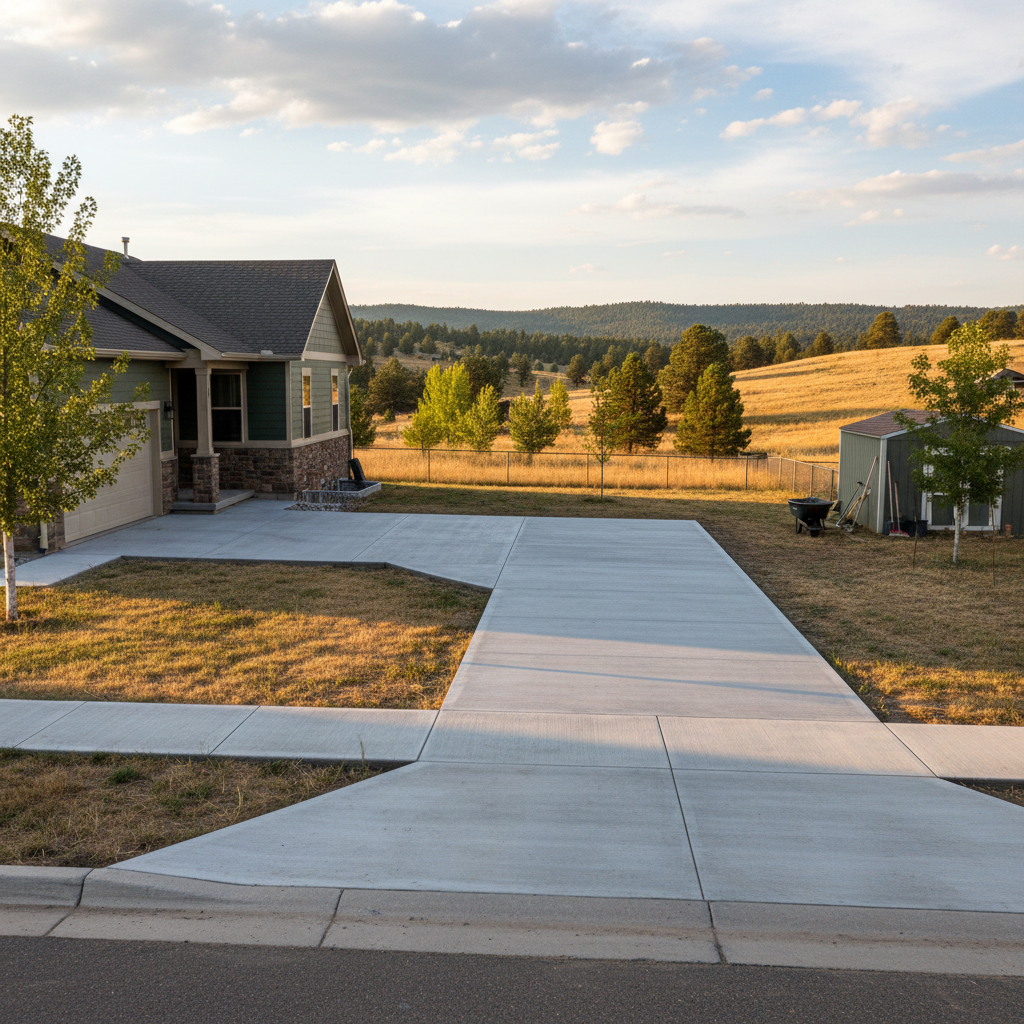
Alright, let's talk about concrete repair. If you've got a driveway that's seen better days, a cracked patio, or a sidewalk that's heaving, you're probably wondering what the whole process looks like. It's not just about pouring new concrete; there's a lot that goes into doing it right, especially with our crazy freeze-thaw cycles here in Sturgis.
Understanding the Timeline for Concrete Repair
First off, let's manage expectations on timing. Concrete work isn't an instant gratification kind of deal. There are a few stages, and each takes its own time.
- Initial Contact & Estimate: You call us, we come out, take a look, and give you a quote. This usually happens within a few days to a week, depending on how busy we are. Don't rush this part; a good contractor needs to see the scope of work properly.
- Scheduling the Job: Once you approve the estimate, we'll get you on the schedule. This can vary wildly. In peak season (spring through fall), it might be a few weeks out. If you're looking at a big project, it could be longer. Smaller repairs might fit in sooner.
- Prep Work: Before we even think about pouring, there's demolition. We've got to break up and remove the old concrete, get the base ready, and set up any forms. This can take anywhere from a few hours for a small patch to a couple of days for a whole driveway.
- Pouring & Finishing: This is the main event. Depending on the size, the pour itself might only take a few hours. Then comes the finishing work – troweling, brooming, whatever texture you're going for.
- Curing Time: This is the part folks often forget. Concrete needs to cure. You can't just drive on it the next day. We usually recommend staying off it for at least 3-7 days for foot traffic, and 7-10 days for vehicles. Full strength takes about 28 days, but you'll be able to use it well before then. Don't skimp on this; it makes a huge difference in the longevity of the repair.
What to Expect During the Process
It's going to be a bit messy, no two ways about it. We're breaking up concrete, moving dirt, and working with wet material. We'll do our best to keep things tidy, but expect some dust and noise. You'll see heavy equipment, even for smaller jobs, because breaking up old concrete is tough work. We'll mark out the area, set up forms, and then the concrete truck will arrive. It's pretty cool to watch the pour, but keep kids and pets away from the active work zone for their safety.
Communication is key. If you have questions during the project, just ask. We're on your property, and we want you to feel comfortable with what's happening.
How to Prepare Your Property
Before we show up, there are a few things you can do to make the job go smoother:
- Clear the Area: Move any vehicles, lawn furniture, planters, or anything else out of the work zone and a good distance around it. We need clear access.
- Trim Landscaping: If you have bushes or tree branches hanging over the area, give them a trim. This protects your plants and gives us room to work.
- Mark Sprinkler Heads: If you have an irrigation system, mark your sprinkler heads and lines. We try to be careful, but it's easy to miss them if they're not visible, especially during demolition.
- Plan for Access: Think about how you'll get in and out of your house if your driveway or main walkway is being replaced. You might need to park on the street for a few days.
- Secure Pets: Keep your pets indoors or in a secure, fenced area away from the work. Open gates and loud noises can be stressful for them, and we don't want them getting into wet concrete.
Questions to Ask Before Signing a Contract
Before you commit to anyone, ask these questions. It'll help you separate the pros from the fly-by-nighters.
- What's your experience with this specific type of repair? Not all concrete work is the same. Driveways are different from patios, and foundation repairs are a whole other ballgame.
- Are you licensed and insured? This is non-negotiable. You want to make sure they're legitimate and that you're protected if something goes wrong. Sturgis Concrete Inc. is fully licensed and insured, of course.
- Can you provide references? A good contractor will happily give you names and numbers of past clients.
- What's your warranty on the work? Understand what's covered and for how long.
- What kind of sub-base preparation do you do? This is HUGE, especially in our area where we have expansive clay soils in places. Proper compaction and grading prevent future cracking and settling. Don't let anyone just pour over existing dirt.
- How will you protect my existing landscaping and property? They should have a plan for minimizing disruption.
- What's the payment schedule? Understand when payments are due – usually a deposit, then progress payments, and a final payment upon completion. Never pay 100% upfront.
- What happens if we hit unexpected issues, like buried pipes? Know the protocol and potential cost implications.
Doing your homework upfront saves you a lot of headaches later. A solid concrete repair isn't just about making things look good; it's about structural integrity and lasting value for your home. Get these questions answered, and you'll be well on your way to a successful project.