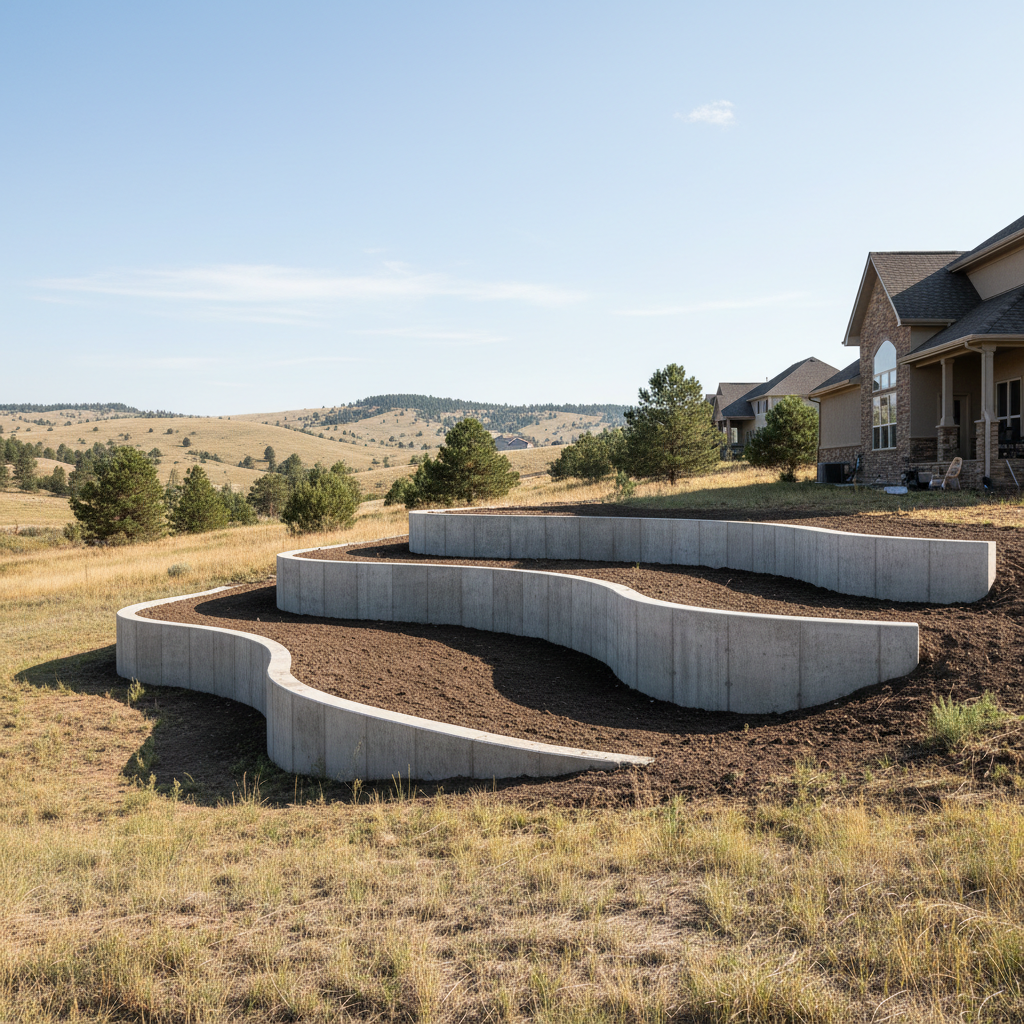
So, you're thinking about putting in a concrete retaining wall. Good call, really. They're tough, they look good, and they can genuinely transform a sloped yard or protect your property from erosion. But before you jump in, there's a bit of planning involved. I've seen a lot of these projects over the years, and knowing what to expect upfront makes a huge difference, believe me.
Setting Your Project Timeline
Let's talk timing first. This isn't a weekend DIY job, especially if you want it done right and to last. From your initial idea to the finished wall, you're looking at a few stages, and each takes time.
- Initial Consultation & Design: This is where you meet with a contractor like us at Sturgis Concrete Inc. We'll come out, look at your property, discuss what you want, and figure out the best approach. This can take a week or two, depending on schedules and how complex your design is.
- Permits: Don't skip this step. For retaining walls over a certain height (often around 4 feet, but definitely check with the City of Sturgis building department), you'll need a permit. This involves engineering drawings and city approval. This can easily add 2-6 weeks, sometimes more if there are revisions or delays. Planning for this early is absolutely key.
- Material Ordering: Once the design is set and permits are in hand, we order materials. Concrete, rebar, forms, drainage rock – these all need to be scheduled for delivery. Lead times can vary, especially for specialized materials, so give this a week or two buffer.
- Construction: This is the actual build. For a typical residential retaining wall, you're probably looking at 1-3 weeks of actual work, depending on the size, height, and site conditions. Digging, forming, pouring, curing – it all takes time. We can't rush concrete curing, especially with our unpredictable Sturgis weather; a cold snap can really slow things down.
All told, from your first call to a finished wall, plan for anywhere from 6 weeks to 3 months. It's better to overestimate and be pleasantly surprised than to be frustrated by delays, right?
What to Expect During the Process
When we're on site, things will get a little messy before they get better. Here's a quick rundown:
- Excavation: We'll dig out the area where the wall will go. This means dirt piles, and sometimes we'll need to haul away excess soil.
- Footing Prep: The foundation of your wall is crucial. We'll prepare the base, often laying down gravel and compacting it well.
- Rebar & Forms: Steel reinforcement (rebar) goes in first, then we build the forms that will hold the wet concrete in place. This is where the wall really starts to take shape.
- Pouring & Finishing: The concrete truck arrives, and we pour the mix into the forms. This is a critical stage where skilled hands ensure a smooth, level, and durable finish.
- Curing & Stripping Forms: Concrete needs time to gain strength. We'll keep it moist, especially in dry, windy conditions common here, to ensure proper curing. After a few days, we'll remove the forms.
- Backfilling & Drainage: Proper drainage behind the wall is vital to prevent future problems. We'll install drain pipes and backfill with gravel and then soil.
You'll see equipment, hear some noise, and there will be activity. We do our best to keep the disruption to a minimum, but it's a construction site for a bit.
How to Prepare Your Property
Before we even break ground, there are a few things you can do to get ready:
- Clear the Area: Remove any plants, garden ornaments, or anything else in the immediate vicinity of where the wall will be built.
- Access: Make sure we have clear access for equipment and material deliveries. If we need to get a concrete truck or excavator into your backyard, think about fences or narrow gates.
- Utilities: This is huge. Call 811 (South Dakota One Call) at least a few days before any digging starts. They'll mark underground utility lines so we don't hit anything important like gas, water, or electrical lines. This is a non-negotiable step.
- Talk to Neighbors: If the wall is close to your property line, a heads-up to your neighbors is always a good idea. It helps avoid misunderstandings.
Questions to Ask Your Contractor
Before you sign on the dotted line, make sure you're comfortable with your chosen contractor. Here are some questions I'd ask if I were in your shoes: